Jump to content


Featured Articles

Check out the latest featured articles.

File Library

Check out the latest downloads available in the File Library.

New Article

Product Viscosity vs. Shear

Featured File

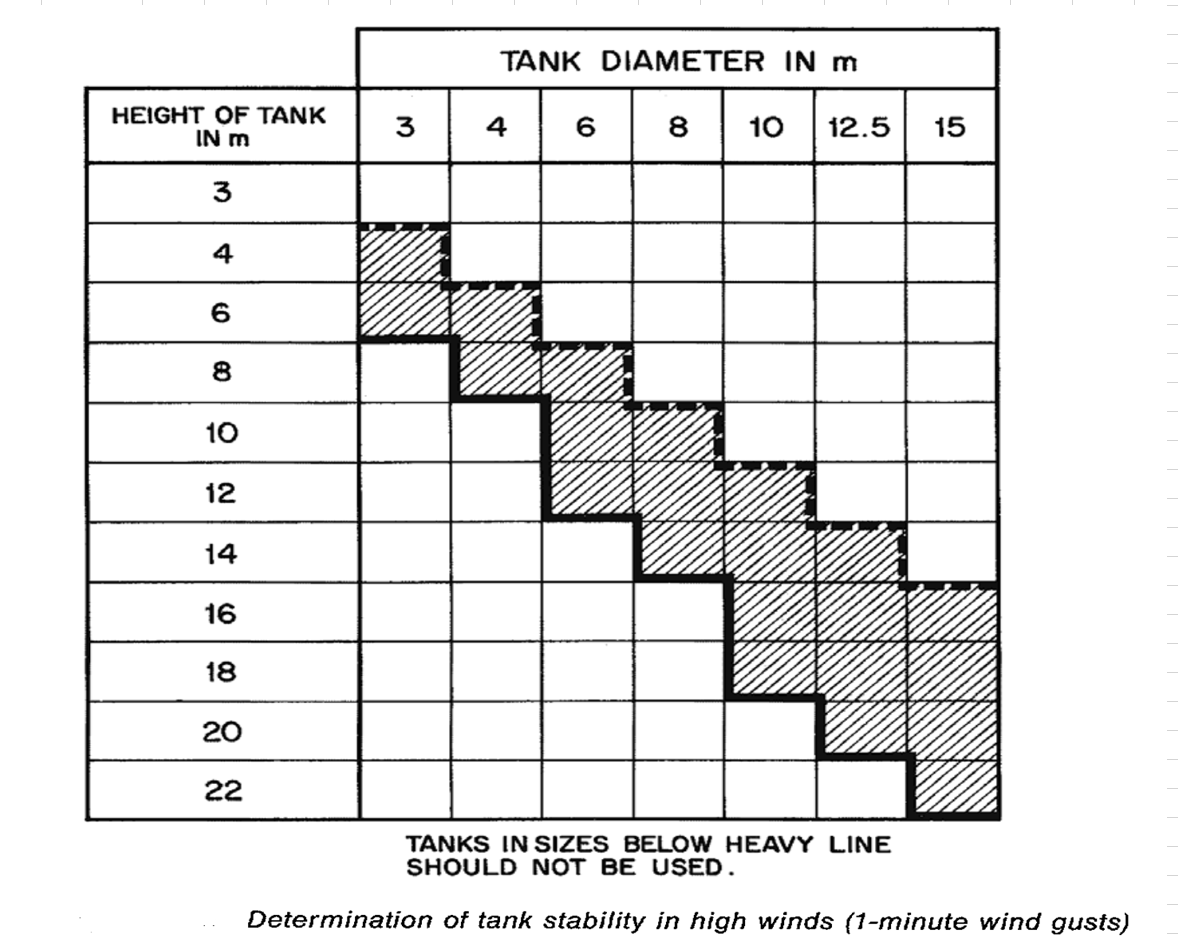
Vertical Tank Selection

New Blog Entry

Low Flow in Pipes- posted in Ankur's blog

Hydrate Formation Temperature

hydrate formation temperature pressure curve prode properties inhibitors methanol

This topic has been archived. This means that you cannot reply to this topic.
4 replies to this topic
Share this topic:
| More

#1 mrbabu

mrbabu

    Gold Member

  • Members
  • 55 posts

Posted 02 May 2012 - 01:21 AM

I am calculating the hydrate formation curve in Excel with Prode Properties,
the procedure calculates the hydrate formation pressure & temperature in the range of 220 to 330 K (you may change the units).
According the manual the procedure is able to calculate the hydrate formation curve for "the common hydrate formers (C1, C2, C3. iC4, nC4, N2, CO2, H2S) and several inhibitors (methanol, ethanol, ethylene glycol plus salts in versions including electrolyte model)".
The model is based on CPA, Cubic Plus Association and van der Waals-Platteeuw for hydrates (solid equilibria)
From my tests it would seem that Prode doesn't require to specify the amount of water unless a inhibitor (we use 10% methanol) is included, then the amount of water is required, with the 10% (weight) of methanol the curve has larger values as expected.
In Prode you can include the water in the mixture when large amounts can influence phase equilibria, then Prode calculates phase equilibria with CPA including water.
Our client has a different software which requires to specify the amount of water even when the contribute of water is absent (no water or very small amounts).
Comparing Prode against this software the results are quite in agreement up to hydrate formation pressures of 150-200 Bar while above those pressures the results may differ (possibly CPA model works differently from the EOS included in our client's software).
My question is, could very small amounts water influence the hydrate formation curve ?
Should I specify a amount of water even when there is no water or the amount is very small ?
From my tests with Prode it would seem that below a certain amount of water the hydrate formation curve is not influenced, is my conclusion correct ?
Thanks.

Edited by mrbabu, 02 May 2012 - 01:24 AM.


#2 marchem

marchem

    Gold Member

  • Members
  • 153 posts

Posted 02 May 2012 - 05:51 AM

I would say that very small amounts of water should influence phase equilibria only, water is not a hydrate former.

#3 ankur2061

ankur2061

    Gold Member

  • Forum Moderator
  • 2,484 posts

Posted 02 May 2012 - 06:58 AM

I would say that very small amounts of water should influence phase equilibria only, water is not a hydrate former.


marchem,

You may refer the blog entry related to what influences hydrate formation at:

http://www.cheresour...on-temperature/

Regards,
Ankur.

#4 marchem

marchem

    Gold Member

  • Members
  • 153 posts

Posted 02 May 2012 - 07:41 AM

thanks for the comment Ankur,
if it is permitted I would recommend that you mention in your blog the book of Sloan "Clathrate hydrates of natural gases" which gives a good introduction to the phase equilibria calc's.
As alternative to simplified methods (as your excel page) it would be useful to include some comments abot the methods based on statistical thermodynamic approach to hydrate phase equilibria (VdW-Plateeuw) and the available software which follow that approach.
You mention (CSMHYD) which is good, there are many others, many are expensive being part of simulators but there are exceptions.
For example for personal use you can download a copy of Prode Properties (from www.prode.com) and that gives the possibility to calculate the hydrate formation curve directly in Excel, have you compared the results ?

#5 PaoloPemi

PaoloPemi

    Gold Member

  • Members
  • 550 posts

Posted 08 May 2012 - 08:17 AM

small amounts of water should not modify hydrate formation conditions expect (as noted) phase equilibria.
Free water is not required, when free water is absent the vapor phase could still contain enough water to form hydrates, even very small amounts of water can form hydrates over a prolonged period of time.
Prode Properties doesn't require to specify the amount of water (but you can enter the value for phase equilibria) except when a inhibitor is specified, in that case Prode Properties requires the amount of water (and inhibitor) to calculate the hydrate depression temperature.

Edited by PaoloPemi, 08 May 2012 - 08:21 AM.


Similar Topics