Jump to content


Featured Articles

Check out the latest featured articles.

File Library

Check out the latest downloads available in the File Library.

New Article

Product Viscosity vs. Shear

Featured File

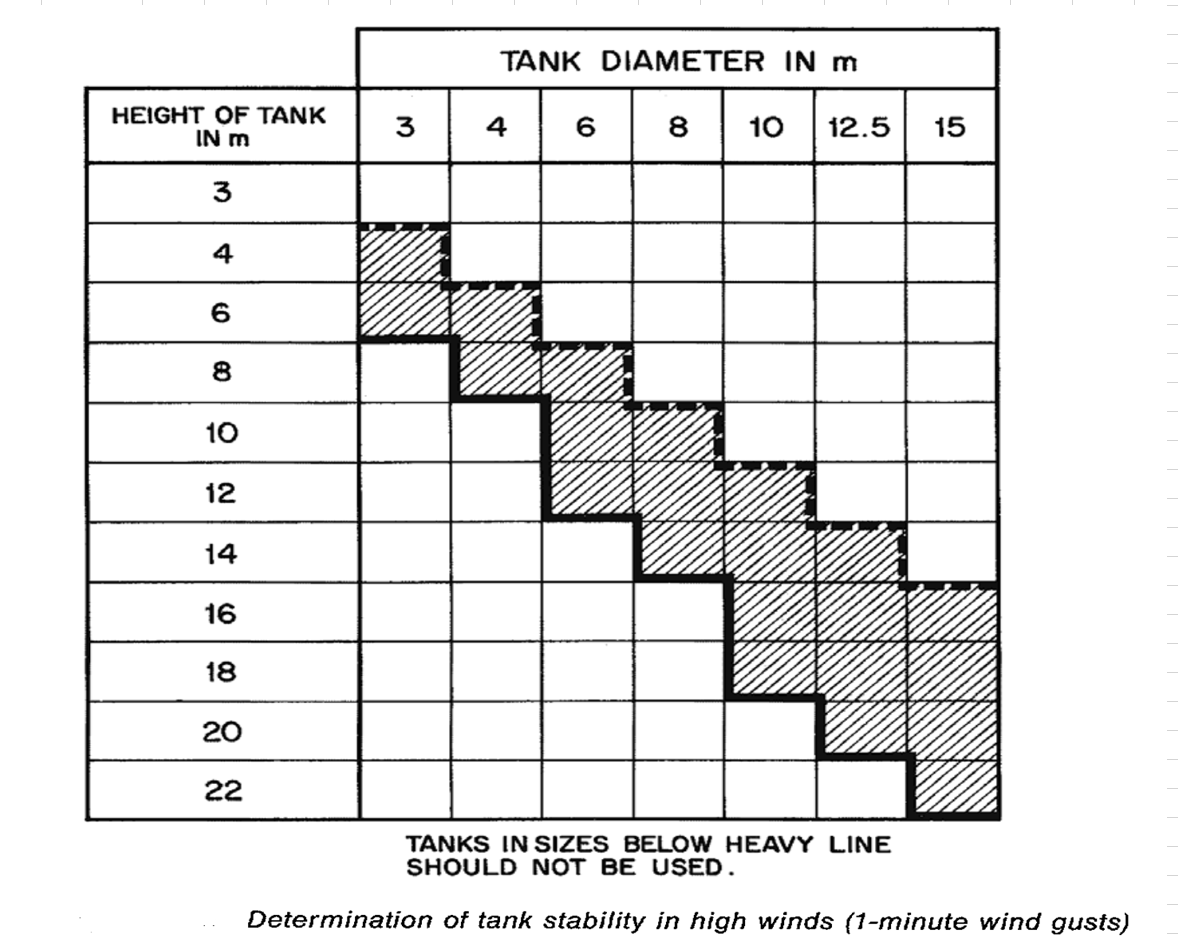
Vertical Tank Selection

New Blog Entry

Low Flow in Pipes- posted in Ankur's blog

Pump Sizing To Evacuate Salt Water From A Vessel To The Sea


This topic has been archived. This means that you cannot reply to this topic.
6 replies to this topic
Share this topic:
| More

#1 SenOil

SenOil

    Veteran Member

  • Members
  • 48 posts

Posted 21 May 2013 - 11:59 AM

Dear All,


im looking for how to size a pump for water transportation application, the system consist to transport salt water stored in water tank to the sea the distance is 15,000 ft .


attached a file with my system data


System Data       1. type of power engine  Natural gas 2. cost of energy  @ $3.00 MCF 3. pumping lift  13.12 ft 4. pump column pipe (suction line) 2-in. steel pipe 13. distance from pump to vessel 26 ft 5. system flow rate  132 gpm 6. yearly operating time  1500 hrs 7. distance from pump to pivot  14763.78 ft (or 147.6378 x 100-ft. sections) 8. required operating pressure  45 psi 9. elevation change from pump to pivot  +49.21 ft 10. types of fittings in system  check valve, gate valve, two standard elbows 11. suction vessel pressure  14.5 psi 12. minimum liquid level above pumper center line 13.12 ft


I set my operating pressure to 45 psi, please let me know if this pressure is acceptable or not for my application?


please let me know how to calculate the pump size and also correct my datas if not coherent


you can also see in attached file my design system for more details.


thank you all for yoyur help.

Attached Files


#2 Dacs

Dacs

    Gold Member

  • Members
  • 457 posts

Posted 21 May 2013 - 05:49 PM

Where did you get this 45 psiA value?If it goes to an open source, then you have to use atmospheric pressure. In general, it's the process requirement that sets the endpoint pressure, not the other way around.


Another thing, how did you obtain the 132 gpm flowrate? I think you need to fix this first before doing your hydraulics. As a guidance, you can set your flow based on some hold-up time that your process needs. How much? That's something you need to evaluate but it could be as low as 2 mins or as high as 30 minutes. Ultimately, it's going to be dictated by your process needs.


We normally expect that suction line size is larger than discharge line size due to NPSHa requirements (so check your basis for sizing both lines). For the suction, you'd normally place a strainer (which has a pressure loss requirement). That's something you need to add. It's seawater so I think it'll be way below its boiling point (so NPSHa may not be of much issue).


Unless you precisely know how you'll route your piping (such as having the pipe isometrics), you have to use some design factor in estimating your pipe lengths. And to add, the number of fittings for your discharge seems low for its length (~5 km).


Pump centerline elevation seems about right (for its flowrate).


That's what I can comment based on what you provided. :)


#3 SenOil

SenOil

    Veteran Member

  • Members
  • 48 posts

Posted 23 May 2013 - 04:59 PM

Thank you very much Dacs for your reply, you will find my answer and comments for each of your question in blue color.

Before I answer to your interrogations I want to bring additional details about the water, in fact the water I’m talking about is not a seawater but a water coming from our natural gas well after being separated its like a brine; the composition of this water is close to seawater.


Where did you get this 45 psiA value?If it goes to an open source, then you have to use atmospheric pressure. In general, it's the process requirement that sets the endpoint pressure, not the other way around.


There is no process requirement what we just want to use 2 applications for the water stored in water tank coming from our natural gas well after separation. In one hand we want to evacuate water to the sea via PVC pipeline length 5,000 m and the other hand we want to use this water (from tanks) during civil works of future well site platform located at 5 km, we will use this water for watering the ground before the construction of the well site pad.

So I guess following your answer since it goes to an open source I only need atmospheric pressure 14.67 psi if ok for you I will apply this value.


Another thing, how did you obtain the 132 gpm flowrate? I think you need to fix this first before doing your hydraulics. As a guidance, you can set your flow based on some hold-up time that your process needs. How much? That's something you need to evaluate but it could be as low as 2 mins or as high as 30 minutes. Ultimately, it's going to be dictated by your process needs.


How did I obtain 132 gpm flowrate? We have 3 tanks with a capacity of 30 m3 each, so we want to empty each tank in 1 hr so 30m3/hr/tank in gallon that’s give 132 gpm flow rate


We normally expect that suction line size is larger than discharge line size due to NPSHa requirements (so check your basis for sizing both lines). For the suction, you'd normally place a strainer (which has a pressure loss requirement). That's something you need to add. It's seawater so I think it'll be way below its boiling point (so NPSHa may not be of much issue).


The current suction line is 3 inch because it was install like this couple years ago I were not there and the discharge line we want to use is 3 inches could this choice work by considering  NPSHa requirements, I  re-attached the excel file showing all fittings, valve with their quantity cause I don’t have a program to run isometrics.


Unless you precisely know how you'll route your piping (such as having the pipe isometrics), you have to use some design factor in estimating your pipe lengths. And to add, the number of fittings for your discharge seems low for its length (~5 km).


I know precisely the pipeline route but I don’t have a program to do isometrics I have only excel program to do my design but I attached you a Google earth pipeline route with elevation profile for your information.


Thank you very much for your advices.

im waiting back your reply.

Attached Files


#4 Dacs

Dacs

    Gold Member

  • Members
  • 457 posts

Posted 23 May 2013 - 06:06 PM

There is no process requirement what we just want to use 2 applications for the water stored in water tank coming from our natural gas well after separation. In one hand we want to evacuate water to the sea via PVC pipeline length 5,000 m and the other hand we want to use this water (from tanks) during civil works of future well site platform located at 5 km, we will use this water for watering the ground before the construction of the well site pad.

So I guess following your answer since it goes to an open source I only need atmospheric pressure 14.67 psi if ok for you I will apply this value.

Just be on the safer side and consider every source of pressure loss (including entry and exit loses).


Can't help but comment though, in the map snapshot you sent, starting point is at 21m and your endpoint is close to 5m above sea level and yet your pump sketch places both point at the same level. Can you confirm which is which?
 

How did I obtain 132 gpm flowrate? We have 3 tanks with a capacity of 30 m3 each, so we want to empty each tank in 1 hr so 30m3/hr/tank in gallon that’s give 132 gpm flow rate

That's fine and all, but of course, you need to base your sizing from the tank farthest from the pump.

The current suction line is 3 inch because it was install like this couple years ago I were not there and the discharge line we want to use is 3 inches could this choice work by considering  NPSHa requirements, I  re-attached the excel file showing all fittings, valve with their quantity cause I don’t have a program to run isometrics.

You can check NPSHa (IMO not much of an issue here) using 3" line. Although is the 3" PVC discharge line already there?

I know precisely the pipeline route but I don’t have a program to do isometrics I have only excel program to do my design but I attached you a Google earth pipeline route with elevation profile for your information.

You don't need the isometrics per se, but what's on it. Since it sounds like the piping has been laid out already, then you have to use the actual dimensions from it (although I don't think it's just only two elbows in this piping for this length).


Another point of concern would be your shutoff pressure. Especially if you have a shutoff valve at far end of your piping close to your endpoint, estimate this and compare the value to the discharge rated pressure.


#5 SenOil

SenOil

    Veteran Member

  • Members
  • 48 posts

Posted 23 May 2013 - 08:11 PM

There is no process requirement what we just want to use 2 applications for the water stored in water tank coming from our natural gas well after separation. In one hand we want to evacuate water to the sea via PVC pipeline length 5,000 m and the other hand we want to use this water (from tanks) during civil works of future well site platform located at 5 km, we will use this water for watering the ground before the construction of the well site pad.

So I guess following your answer since it goes to an open source I only need atmospheric pressure 14.67 psi if ok for you I will apply this value.

Just be on the safer side and consider every source of pressure loss (including entry and exit loses).


Can't help but comment though, in the map snapshot you sent, starting point is at 21m and your endpoint is close to 5m above sea level and yet your pump sketch places both point at the same level. Can you confirm which is which?

I made some correction on my sketch look again I re-attached file, Yes the starting point (pump place) is at 21 m above the sea and the endpoint is close to 5 m above the sea you can check again my sketch.


How did I obtain 132 gpm flowrate? We have 3 tanks with a capacity of 30 m3 each, so we want to empty each tank in 1 hr so 30m3/hr/tank in gallon that’s give 132 gpm flow rate


That's fine and all, but of course, you need to base your sizing from the tank farthest from the pump.

ok for yhis


The current suction line is 3 inch because it was install like this couple years ago I were not there and the discharge line we want to use is 3 inches could this choice work by considering  NPSHa requirements, I  re-attached the excel file showing all fittings, valve with their quantity cause I don’t have a program to run isometrics.


You can check NPSHa (IMO not much of an issue here) using 3" line. Although is the 3" PVC discharge line already there?


ok I will check the NPSHa, the 3 " PVC discharge line is available but not yet connected.if you think its better to change the size let me know, and tell the best size


I know precisely the pipeline route but I don’t have a program to do isometrics I have only excel program to do my design but I attached you a Google earth pipeline route with elevation profile for your information.

You don't need the isometrics per se, but what's on it. Since it sounds like the piping has been laid out already, then you have to use the actual dimensions from it (although I don't think it's just only two elbows in this piping for this length).


For this Length we have 6 Elbows cause we can turn easily the PVC pipe; and PVC pipe are joined with insert couplings each 50 m


Another point of concern would be your shutoff pressure. Especially if you have a shutoff valve at far end of your piping close to your endpoint, estimate this and compare the value to the discharge rated pressure.


We dont have shutoff valve at far end to the endpoint, we just have a ball valve near to discharge pump line.


thank to advice.


Attached Files


#6 Dacs

Dacs

    Gold Member

  • Members
  • 457 posts

Posted 23 May 2013 - 08:17 PM

Yep saw the sketch, so I guess this is pretty much straightforward and you can do your hydraulics from the data you provided.


Just ensure that your piping from the inlet block valve to discharge block valve (inclusive) can sustain shutoff conditions.


:)


Edited by Dacs, 23 May 2013 - 08:22 PM.


#7 SenOil

SenOil

    Veteran Member

  • Members
  • 48 posts

Posted 27 May 2013 - 07:03 AM

Thank you Dacs for your reply,

just another thing do you know if there is any requirement or specification rule regarding the depth at which the pvc waterline should be buried in my application (50 cm, 70 cm or more)

thanks again.


Similar Topics