Jump to content


Featured Articles

Check out the latest featured articles.

File Library

Check out the latest downloads available in the File Library.

New Article

Product Viscosity vs. Shear

Featured File

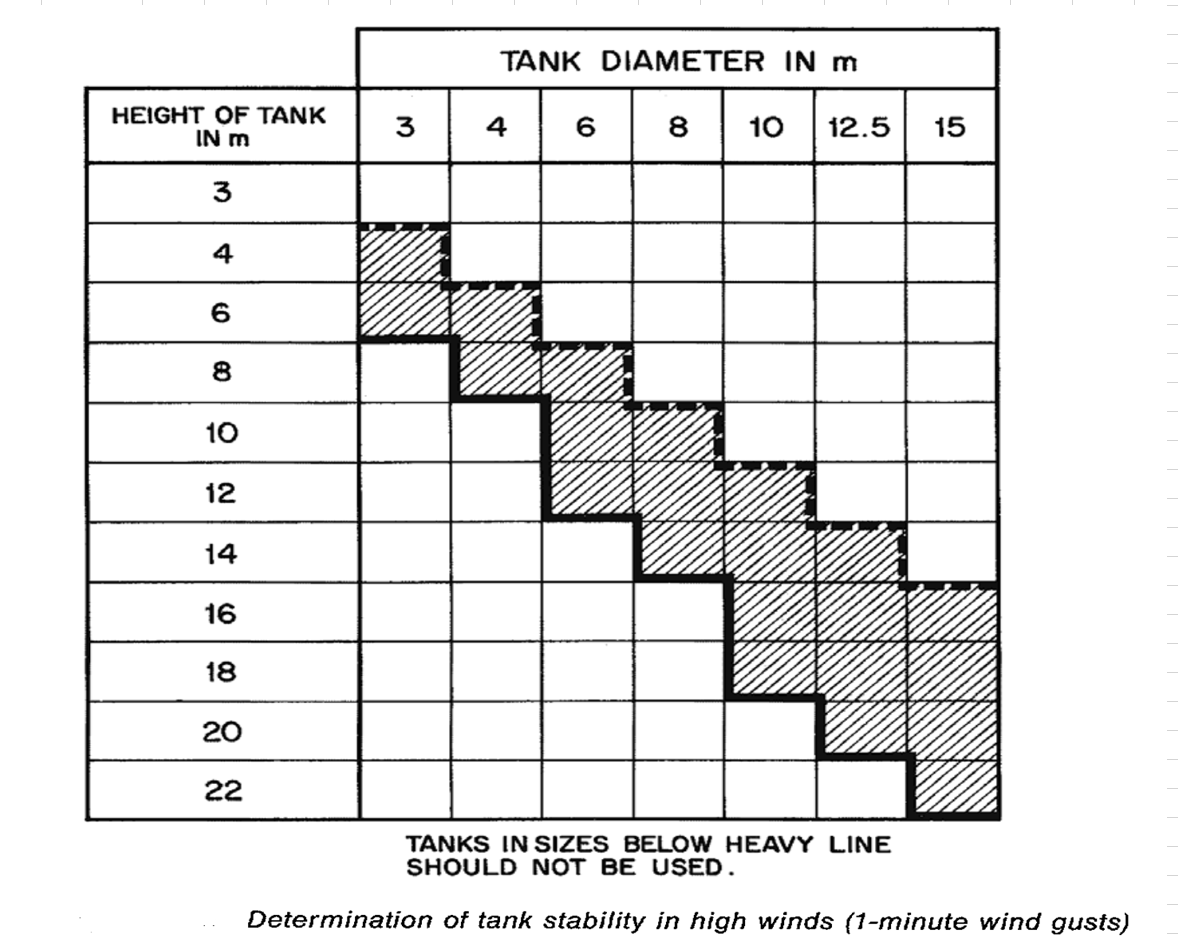
Vertical Tank Selection

New Blog Entry

Low Flow in Pipes- posted in Ankur's blog

Multiphase Equilibria Solid Model In Properties

multiphase equilibria solid model properties vapor liquid

This topic has been archived. This means that you cannot reply to this topic.
7 replies to this topic
Share this topic:
| More

#1

  • guestGuests
  • 0 posts

Posted 02 May 2013 - 09:04 AM

Could you give some detail about the solid model (SSM) which base version of Prode Properties adopts for multiphase equilibria ?

The documentation says it is based on liquid fugacity less contribute of molar heat of fusion but I think it is a bit more complex,

also solids in  phase  equilibria seem to work better with a EOS as Peng Robinson or Soave Redlich Kwong,

is that true ?



#2 marchem

marchem

    Gold Member

  • Members
  • 153 posts

Posted 03 May 2013 - 01:39 AM

Prode Properties has several models for solid fugacity,

with Simplified Solid Solution SSM model included in Base version

fugacity of solid phase is calculated from fugacity of liquid phase as


Fsolid = Fliquid * exp(CT*Hf/Tm - CT*(cpl-cps)-...)


where

Hf = heat of fusion

Tm = melting point

cpl = heat capacity of liquid phase

cps = heat capacity of solid phase

there are additional terms which provide some contributes


Generally I utilize the SSM (Simplified Solid Solution) model with hydrocarbons,

it's good to predict vapor-solid as for example solidification of CO2,

for liquid-solid I utilize SSM or other models. 

For hydrocarbons a EOS as Soave Redlich Kwong or Peng Robinson can provide good accuracy. 


#3 pdender

pdender

    Junior Member

  • Members
  • 27 posts

Posted 09 May 2013 - 05:26 AM

thanks Marchem,

what is the role (in phase equilibria) of the solid vapor pressure available in databank ?

Does Prode Properties utilize those values ?


#4 PaoloPemi

PaoloPemi

    Gold Member

  • Members
  • 550 posts

Posted 22 May 2013 - 02:57 AM

the SSM model included in Base version doesn't utilize that information,

as noted by marchem there are other models for solid fugacity

also you may extract the data from database (Prode allows direct access to all properties of pure fluids) and create your own model.


#5 pdender

pdender

    Junior Member

  • Members
  • 27 posts

Posted 30 May 2013 - 02:55 AM

thanks PaoloPemi,

so, can I calculate solid formation for a pure fluid with the solid vapor pressure available in Prode Properties databank or with SSM  (or other solid models) available in the library ?


#6 PaoloPemi

PaoloPemi

    Gold Member

  • Members
  • 550 posts

Posted 13 June 2013 - 06:35 AM

I am not sure to understand the question,

do you wish to utilize the coded flash operations in PRODE PROPERTIES (T-P, H-P, H-T etc.) with multiphase (vapor-liquid-solid) option

or create your own  procedure ?

By the way for pure fluids you can calculate solid formation with the solid vapor pressure available in Prode Properties databank,

that's not difficult since you have only to compare the solid condition with the pressure in your system.


#7 pdender

pdender

    Junior Member

  • Members
  • 27 posts

Posted 02 July 2013 - 11:16 AM

thanks Paolo !

yes, I can define the state of a (pure) fluid comparing its solid and liquid vapor pressure.


#8 PaoloPemi

PaoloPemi

    Gold Member

  • Members
  • 550 posts

Posted 15 August 2013 - 01:26 AM

also please note that you may need specific thermodynamics (as a electrolytic model) for some liquid-solid equilibria as salts formation.


Similar Topics