Jump to content


Featured Articles

Check out the latest featured articles.

File Library

Check out the latest downloads available in the File Library.

New Article

Product Viscosity vs. Shear

Featured File

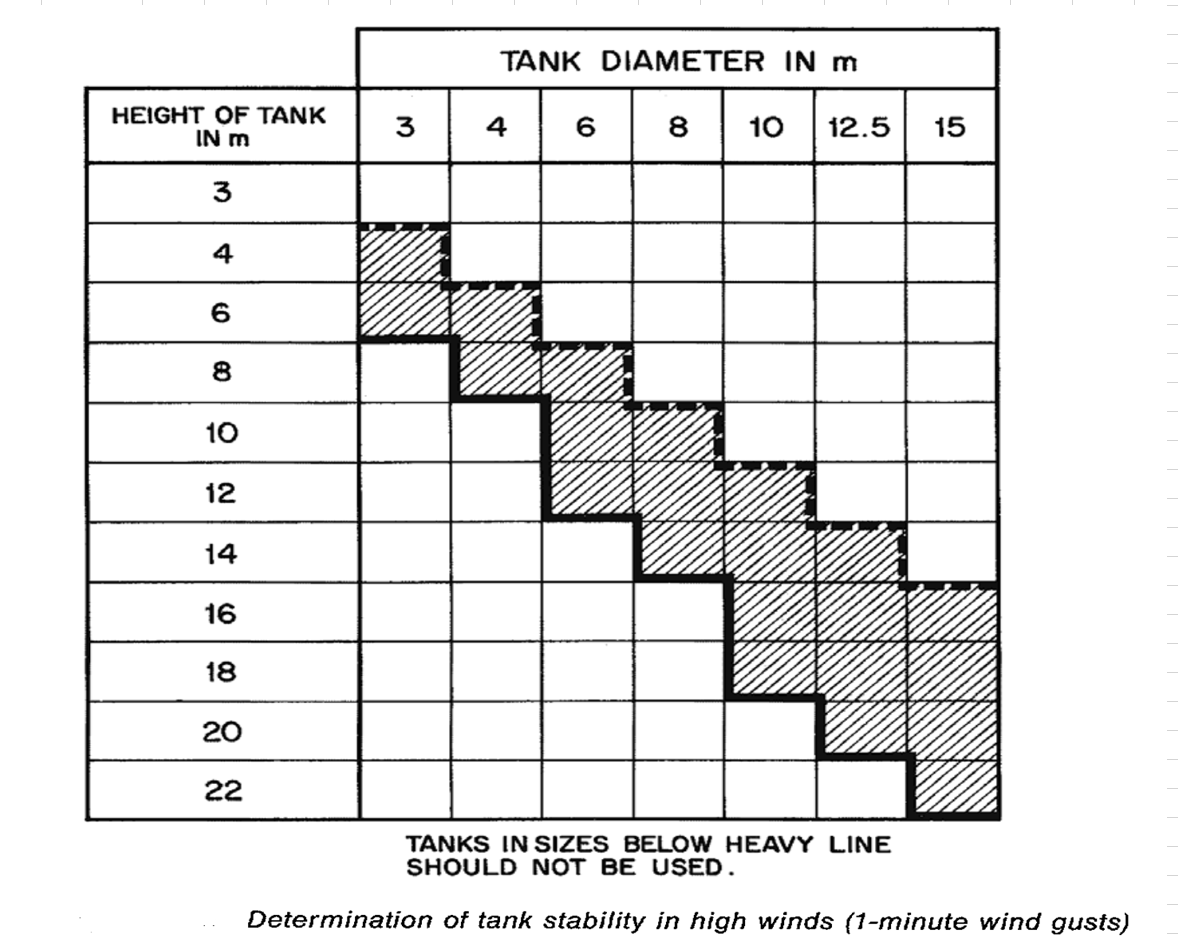
Vertical Tank Selection

New Blog Entry

Low Flow in Pipes- posted in Ankur's blog

Control Algothrim Analysis Question


This topic has been archived. This means that you cannot reply to this topic.
2 replies to this topic
Share this topic:
| More

#1 deltaChe

deltaChe

    Gold Member

  • ChE Plus Subscriber
  • 153 posts

Posted 27 May 2010 - 08:25 AM

There is a EO stream (red line)(flow to the Ethoxylate reactor,
and a nitrogen stream will purge to this EO stream before the startup.
The interlock(S-001) is used to prevent contamination of EO supply and
loss of EO to the scrubber( green line). As PIT-180A/B sense high high pressure,
ESV267A/B will be closed to prevent the runaway reaction. And it will release EO
to atomosphere. Or PT-180A/B sense low low pressure(low feed pressure
of EO), it will purge N2 to the reactor.

Could anyone help me why the arrow head(blue line) for Nitroten has two direction
and is any kind cascade control involved in this P&ID?

Thank you very much for your help

Attached Files

  • Attached File  test.pdf   36.64KB   14 downloads


#2 Nikhiln

Nikhiln

    Junior Member

  • Members
  • 23 posts

Posted 28 May 2010 - 01:39 AM

A few things are not clear in your PID. Firstly, the nitrogen line you mentioned (blue), has got a spectacle blind in the closed position. If this is the line you use for purging during low low pressure, it shouldn't be closed in normal operating condition.
The NRV direction more or less confirms the flow direction, so yes, the two opposite arrows on the nitrogen line, dont make sense.
I think we could give you a better response if you showed us which/where is the line used to release EO to atmosphere/scrubber in cases of PIT 180A/B high high pressure. It is definitely NOT the green lines, since they are PSV discharges, which should be working independent of the instruments.
The reason I ask this is because usually for pressure control of EO tanks/vessels, the configuration is such that the vessel has a small stretch of common piping which is used to pressurise with nitrogen or release pressure to scrubber with split control valves. So, that small common stretch sees bidirectional flow, depending on the pressure situation. I tried to visualise that happening here, but at the moment, I couldnt figure it out from this drawing.

Edited by Nikhiln, 28 May 2010 - 01:41 AM.


#3 deltaChe

deltaChe

    Gold Member

  • ChE Plus Subscriber
  • 153 posts

Posted 28 May 2010 - 06:41 PM

Thank you for your explination

The psv outlet has a interlock s-1 assocated with the PT-180A interlock s-1, and psv
outlet did flow to scrubber as the drawing attached.
I really appreciate that you can give any more comment in this issue.

Thank you very much.

A few things are not clear in your PID. Firstly, the nitrogen line you mentioned (blue), has got a spectacle blind in the closed position. If this is the line you use for purging during low low pressure, it shouldn't be closed in normal operating condition.
The NRV direction more or less confirms the flow direction, so yes, the two opposite arrows on the nitrogen line, dont make sense.
I think we could give you a better response if you showed us which/where is the line used to release EO to atmosphere/scrubber in cases of PIT 180A/B high high pressure. It is definitely NOT the green lines, since they are PSV discharges, which should be working independent of the instruments.
The reason I ask this is because usually for pressure control of EO tanks/vessels, the configuration is such that the vessel has a small stretch of common piping which is used to pressurise with nitrogen or release pressure to scrubber with split control valves. So, that small common stretch sees bidirectional flow, depending on the pressure situation. I tried to visualise that happening here, but at the moment, I couldnt figure it out from this drawing.

Attached Files

  • Attached File  test.pdf   56.79KB   7 downloads


Similar Topics