Jump to content


Featured Articles

Check out the latest featured articles.

File Library

Check out the latest downloads available in the File Library.

New Article

Product Viscosity vs. Shear

Featured File

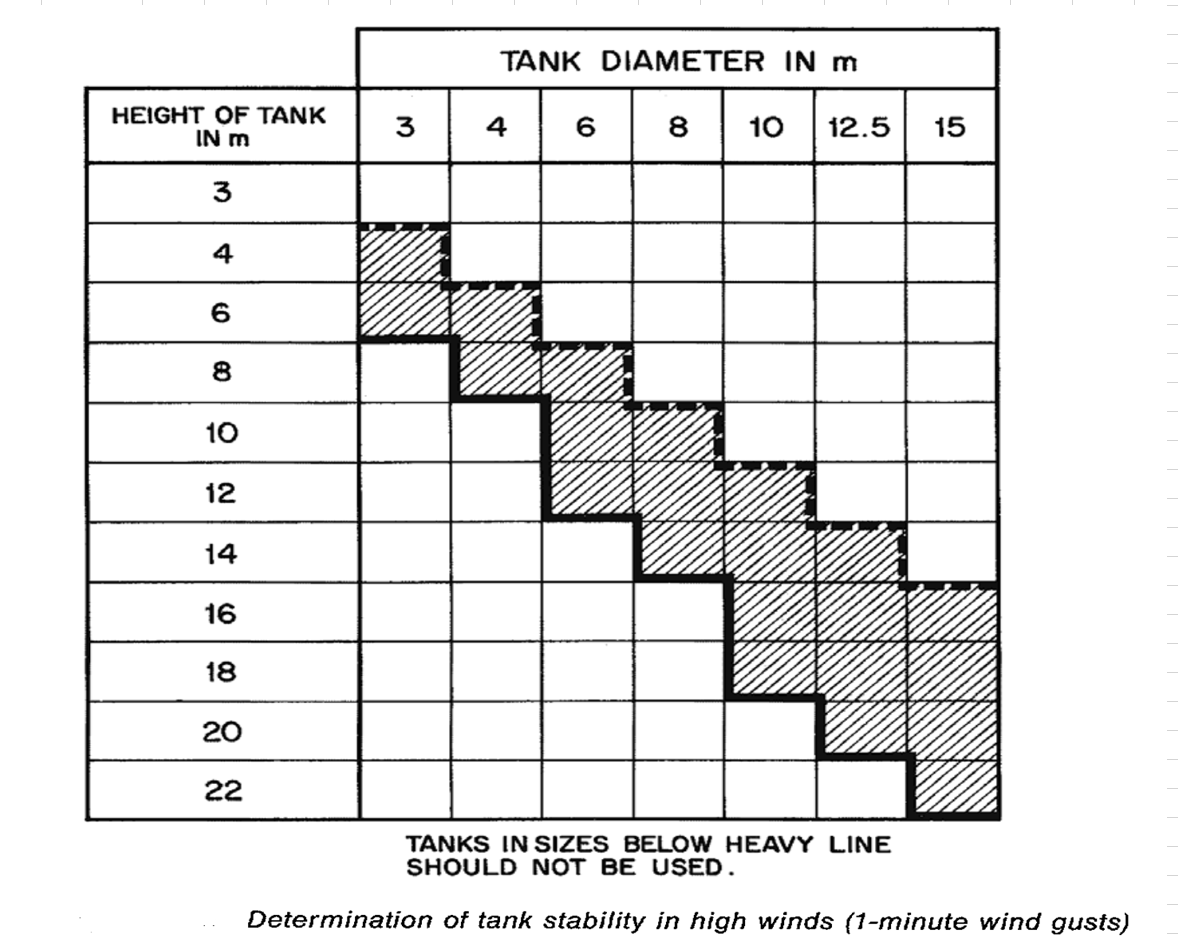
Vertical Tank Selection

New Blog Entry

Low Flow in Pipes- posted in Ankur's blog

3

Process Engineers / Mechanical Engineers - Responsibilities

mechanical engineering process engineering responsibilities training

6 replies to this topic
Share this topic:
| More

#1 PhilippM

PhilippM

    Gold Member

  • Members
  • 98 posts

Posted 10 June 2019 - 12:55 PM

I was talking to a friend (he is also a process engineer) who works at another engineering company.

They do projects (Conceptual, Basic and Detail Engineering) for different chemical producers here in Germany.


What I found weird is that they don't have a team/department with mechanical engineers, but instead the tasks of a mechanical (static/rotating) engineer (like writing specifications, requisitions, technical/commercial bid evaluations, handling the vendor documentation/drawings, tender negotiations) are handled by the process engineers instead.


I can see why this might make sense in really small projects (let's say just replacing a pump) due to budgetary constraints, because it is difficult to justify having several people working on such a project. Another advantage of course is that a single person maintains the overview of the status of all pieces of equipment.


However I think that the necessary technical skills of a mechanical engineer are vastly different from what a process engineer is trained to do, so I was wondering if someone else could share their opinions and/or experiences about the responsibilities of process engineers in other engineering companies and if there are other pros and cons of not having a dedicated mechanical engineer (or at least someone with the proper specialist knowledge to check/approve the documents created by his/her colleagues) in a project.


P.S. Of course I think that with proper training, someone who studied mechanical engineering at the university can do the job of a process engineer and visa versa


Kind regards

Philipp


Edited by PhilippM, 10 June 2019 - 10:22 PM.


#2 Chemitofreak

Chemitofreak

    Gold Member

  • Members
  • 292 posts

Posted 11 June 2019 - 05:26 AM

Hi Philipp,


I had earlier worked in a German EPC company, they had mechanical rotating department under Process Engineering group, but the engineers handling rotating equipment (like writing specifications, requisitions, technical/commercial bid evaluations, handling the vendor documentation/drawings, tender negotiations) were Mechanical Engineers. 


I did not got their logic of putting rotating engineers under Process Engineering group.


Edited by Chemitofreak, 11 June 2019 - 05:26 AM.


#3 oilpmp

oilpmp

    Junior Member

  • Members
  • 10 posts

Posted 12 June 2019 - 07:24 AM

If the names mean what they are intended to mean (process engineer = process engineer, same for mechanical), I could not understand this type of work approach.

On a joke side, I may have an explanation to this:

Process engineers do not get along very well with rotating engineers and vice versa. So what happened is that, in that organization, process engineering group was more influential and they may have decided to treat the problem at the root: convince the management that the mechanical group was redundant...


#4 bremnermoss

bremnermoss

    Brand New Member

  • Members
  • 1 posts

Posted 13 May 2026 - 04:26 AM

What you’re seeing is quite common in some EPC setups, especially where project execution is structured around lean teams and the process discipline is treated as the “system owner” from Concept through Detail Engineering. In that model, process engineers often take on equipment specification, vendor document handling, and even bid evaluation, particularly for pumps, compressors, and packaged units. It can work in smaller scopes, but the technical depth required for mechanical integrity, materials selection, and compliance with rotating equipment standards is very different from core process design.
 
In more structured organisations, these responsibilities are usually split more clearly, with mechanical engineers acting as technical authority and providing independent checks on specifications and vendor deliverables. In practice, the effectiveness of either model depends heavily on governance and review quality rather than job titles alone. Some companies streamline interfaces by keeping process ownership central while still embedding mechanical expertise at key decision points.
 
A good example of a balanced engineering delivery approach can be seen in: https://radleyeng.com, an Ireland-based engineering firm working across industrial and energy projects, where discipline boundaries are more clearly defined to maintain both efficiency and technical assurance across equipment packages.
 
The merged approach does offer advantages like faster coordination and fewer handover gaps, but it also increases reliance on individual capability. In larger rotating equipment packages, that risk usually needs to be controlled through formal mechanical review stages or dedicated specialist input.


#5 breizh

breizh

    Gold Member

  • Admin
  • 6,966 posts

Posted 13 May 2026 - 06:23 AM

This is a post from 2019!

Breizh


#6 Pilesar

Pilesar

    Gold Member

  • Admin
  • 1,651 posts

Posted 13 May 2026 - 08:53 AM

I think the post was a way to try to send business to the Ireland engineering company linked. That is my inference considering the member just joined today from Ireland and posted the 4-paragraph message within five minutes and then logged out. It was a well-done attempt and not at all obnoxious like most spammers. However, the post contributes very little of value other than the plug for the Irish company.


#7 latexman

latexman

    Gold Member

  • Admin
  • 1,899 posts

Posted 13 May 2026 - 08:53 AM

Maybe they wanted to advertise their company url? If so, that won’t work the second time.


Similar Topics