
 Forums
 Blogs
Blogs Articles
 File Library
 FAQ
FAQ Search
 FB
FB
Chemical and Process Engineering Resources

Centrifugal Pumps: Basic Concepts of Operation, Maintenance, and Troubleshooting
Nov 08 2010 11:30 AM | Mukesh Sahdev in Fluid Flow
Requirements for Consistent Operation
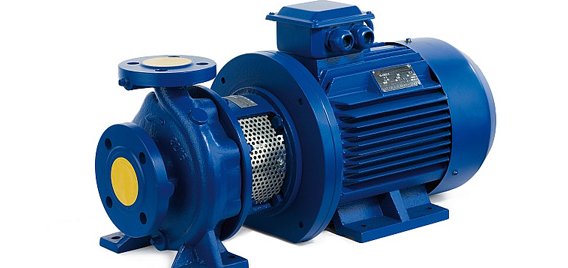
Centrifugal pumps are the ultimate in simplicity. In general there are two basic requirements that have to be met at all the times for a trouble free operation and longer service life of centrifugal pumps. The first requirement is that no cavitation of the pump occurs throughout the broad operating range and the second requirement is that a certain minimum continuous flow is always maintained during operation. A clear understanding of the concept of cavitation, its symptoms, its causes, and its consequences is very much essential in effective analyses and troubleshooting of the cavitation problem.
Just like there are many forms of cavitation, each demanding a unique solution, there are a number of unfavorable conditions which may occur separately or simultaneously when the pump is operated at reduced flows. Some include:
•Cases of heavy leakages from the casing, seal, and stuffing box
•Deflection and shearing of shafts
•Seizure of pump internals
•Close tolerances erosion
•Separation cavitation
•Product quality degradation
•Excessive hydraulic thrust
•Premature bearing failures
Each condition may dictate a different minimum flow low requirement. The final decision on recommended minimum flow is taken after careful "techno-economical" analysis by both the pump user and the manufacturer. The consequences of prolonged conditions of cavitation and low flow operation can be disastrous for both the pump and the process. Such failures in hydrocarbon services have often caused damaging fires resulting in loss of machine, production, and worst of all, human life. Thus, such situations must be avoided at all cost whether involving modifications in the pump and its piping or altering the operating conditions. Proper selection and sizing of pump and its associated piping can not only eliminate the chances of cavitation and low flow operation but also significantly decrease their harmful effects.
17 Comments
Very help to all of them.
I think in Equation 9, fiction loss should be subtracted rather than being added, to get NPSHa.
could anyone tell me about 'hunting in pumps'??
very very nice article , its clear all concept about Pumps
good to understand.
Nice Article. Very helpful.
Appreciate that you are sharing your knowledge in such a fine manner. The content is so well presented that its very easy to follow.
Best,
Mayuresh.
Thanks for the article. Is there a similar article about compressor, heaters, or operation of columns (i,e stripper/frac)?
Thanks