Jump to content


Featured Articles

Check out the latest featured articles.

File Library

Check out the latest downloads available in the File Library.

New Article

Product Viscosity vs. Shear

Featured File

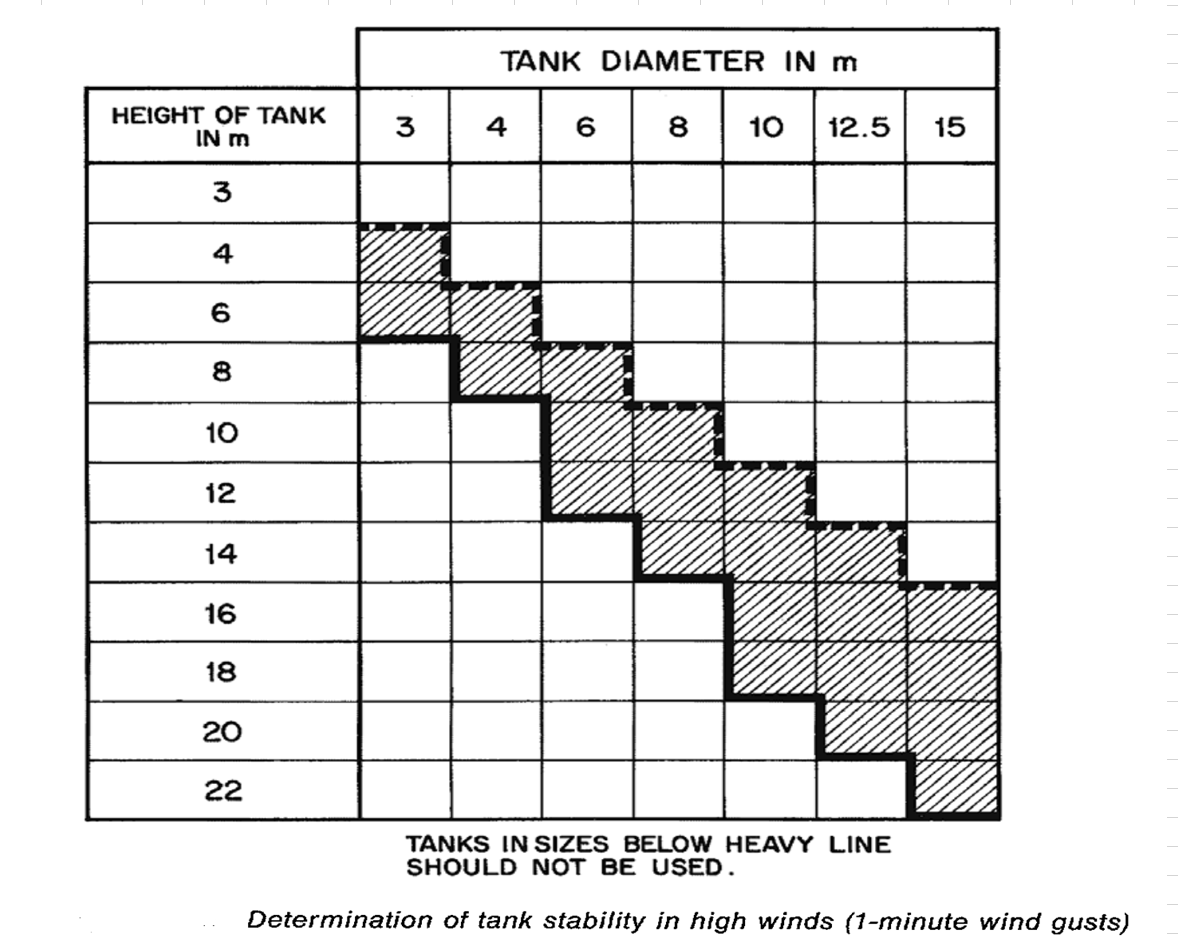
Vertical Tank Selection

New Blog Entry

Low Flow in Pipes- posted in Ankur's blog

2

How To Right Size A Vapor Recovery Unit (Vru)?


2 replies to this topic
Share this topic:
| More

#1 MethanolPlant

MethanolPlant

    Brand New Member

  • Members
  • 7 posts

Posted 29 April 2024 - 02:02 AM

Hi all,


We are considering about design of Vapor Recovery System for condensate storage tanks. Total volume of the storage is 2300 m3. The average flow rate from condensate evaporation (degassing) is near 20-25 Nm3/hr but in accordance with the API 2000 thermal in-breathing and out-breathing is near 400 Nm3/hr (as for such volume of storage). How to handle with this nuance?



#2 CraigRosencutter

CraigRosencutter

    Brand New Member

  • Members
  • 2 posts

Posted 30 June 2026 - 12:05 PM

Sizing usually comes down to defining the worst-case vapor load the unit has to capture, then the turndown it has to handle on the low end. For a tank-vapor application the load is driven by working (filling) losses plus standing/breathing losses - API 2000 is the right basis for the breathing component, and the filling rate sets the peak. It's worth separating flash gas (if you're pulling from a separator or VRT) from true tank vapors, since flash can dominate and changes the compressor selection.A few things that commonly bite people: (1) size for the peak instantaneous rate during truck/pipeline loadout, not the daily average; (2) check the vapor composition and how it shifts with temperature, since summer standing losses can be much higher; (3) make sure the suction-side pressure control (and any backpressure/seal) keeps the tanks within their vacuum/pressure limits per API 2000.What's the source - fixed-roof storage, a separator/VRT, or loadout? That changes the answer a fair bit.


#3 Pilesar

Pilesar

    Gold Member

  • Admin
  • 1,663 posts

Posted 30 June 2026 - 05:04 PM

API 2000 is very conservative because it is concerned primarily with safety. If you can bypass the vapor recovery system or handle overloads safely, then you do not have to heed API 2000 as a design basis for your recovery system. The question then becomes one of economics. Determine the cost/benefit curve based on expected vapor and equipment cost.


Similar Topics