Jump to content


Featured Articles

Check out the latest featured articles.

File Library

Check out the latest downloads available in the File Library.

New Article

Product Viscosity vs. Shear

Featured File

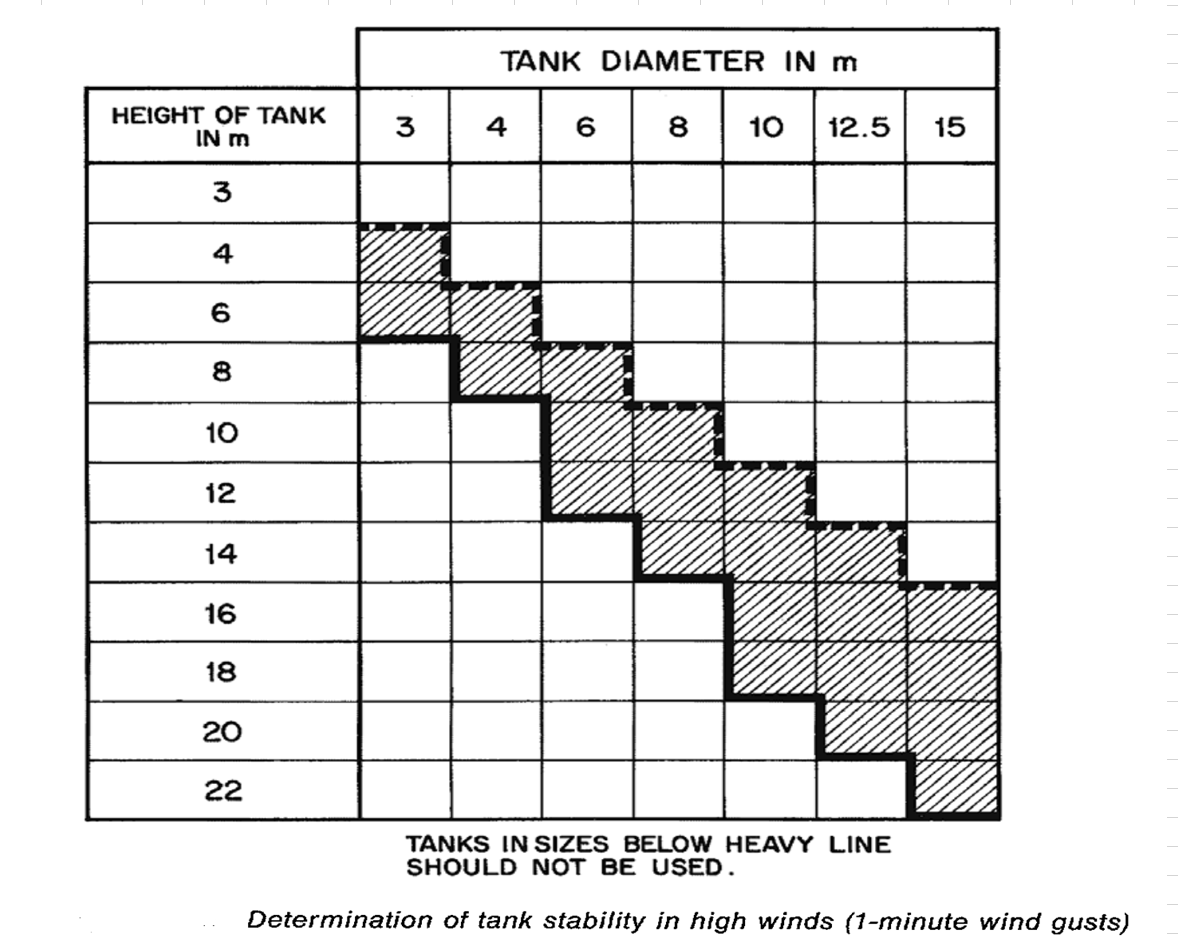
Vertical Tank Selection

New Blog Entry

Low Flow in Pipes- posted in Ankur's blog

Psa In Series Of Psa?


This topic has been archived. This means that you cannot reply to this topic.
2 replies to this topic
Share this topic:
| More

#1 drdave

drdave

    Gold Member

  • Members
  • 64 posts

Posted 07 April 2007 - 01:52 PM

Hello All, smile.gif

This is the case of PSA in series of PSA to ultra-purify H2 stream:

In ammonia production technology,Pure H2 is produced through pressure swing adsorption resulting into about 4 ppm CO (max) slip with H2 stream.This is MUST to safeguard synthesis catalyst against catalytic poison by oxygenated compounds.

A small H2 stream is sent to the other plant for production of caprolactam.Here, Pure H2 is further purified through their PSA(ie so-called series run) to reduce CO content further . Its regenerating stream to vent contains ~60 ppm CO in tail gas, as mentioned in process flow diagram.

1] Can PSA purify further gases containing almost trace impurities?
2] What is the limit / criteria to purify from ppm to ppb lvel in adsorption technology???????????
3] Gas chromatography will measure such a low level mpurities?

Thanks in advance..........................

D R Dave

#2 Art Montemayor

Art Montemayor

    Gold Member

  • Admin
  • 5,782 posts

Posted 07 April 2007 - 03:56 PM


D R Dave:

In 1970 I selected a steam reformer Hydrogen Plant based on using MEA for CO2 removal and purification in a grass roots project that I managed and which was built in Geel, Belgium to produce Furfuryl Alcohol. This plant was still in active production the last time I checked up on it on the Web. It was one of the best projects I ever managed. The project was so successful as a producing plant that we amplified it with another steam reformer Hydrogen plant within 2 years. The amplification of the plant was done using the same Hydrogen Plant designer and fabricator, Howe-Baker Engineers, of Tyler, Texas, but this time the purification train selected was a Molecular Sieve Unit that produced “5 Nines” purity – i.e., 99.999 %vol of H2. In 1972-73, this purity was so high that Howe-Baker had to develop a testing process to verify the purity. And it worked. At the time there were no commercial or industrial methods to verify this high a purity. Today, this might have changed. But I do know that this level of purity is about as close as you can practically get to absolute H2.

Please be specific about your purity. Do you mean ppm on volume or mass basis? Without you stating your basis, we can’t have an idea of what level of contaminants or purity you mean. With the further development of Molecular Sieves I suspect that you can, with a properly designed adsorption system, produce a Hydrogen stream so pure that you will have problems confirming the purity because of a lack of proper and accurate testing equipment. The persons/companies that can give you a concrete answer are those that are in the business of designing and fabricating adsorption units for such applications. There are various companies listed in the Internet and in the Thomas Register.


#3 drdave

drdave

    Gold Member

  • Members
  • 64 posts

Posted 08 April 2007 - 04:39 AM

Thanks Sir Art for your lightening speed response!!!!!!!
CO slip is 4 PPM (by volume) . It may be around 0.0004 mole fraction. It reveals purity of "6 nines" as nicely explained by you.It means purity level is reached satisfactorily.Here, I have mentioned further about a practice of PSA in series in other process area though CO slip is monitored well around 4PPMV.Whether is it recommendable practice? Of course! Other area has available idle PSA units to line up.What are the limiting criteria where, by quantified values; one can say that PSA performance is accomplished maximum..........


Thanks & regards.

D R Dave


Similar Topics