
 Forums
 Blogs
Blogs Articles
 File Library
 FAQ
FAQ Search
 FB
FB
Chemical and Process Engineering Resources

Centrifugal Pumps: Basic Concepts of Operation, Maintenance, and Troubleshooting
Nov 08 2010 11:30 AM | Mukesh Sahdev in Fluid Flow
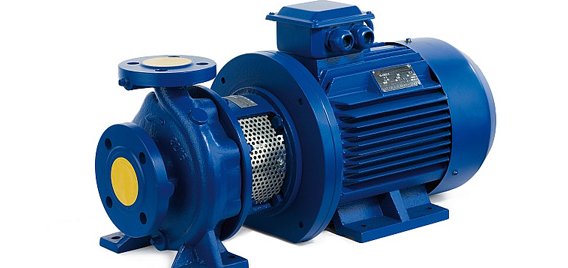
The operating manual of any centrifugal pump often starts with a general statement, "Your centrifugal pump will give you completely trouble free and satisfactory service only on the condition that it is installed and operated with due care and is properly maintained."
Despite all the care in operation and maintenance, engineers often face the statement "the pump has failed i.e. it can no longer be kept in service". Inability to deliver the desired flow and head is just one of the most common conditions for taking a pump out of service.
The list of pump failure conditions mentioned above is neither exhaustive nor are the conditions mutually exclusive. Often the root causes of failure are the same but the symptoms are different. A little care when first symptoms of a problem appear can save the pumps from permanent failures. Thus the most important task in such situations is to find out whether the pump has failed mechanically or if there is some process deficiency, or both. Many times when the pumps are sent to the workshop, the maintenance people do not find anything wrong on disassembling it. Thus the decision to pull a pump out of service for maintenance / repair should be made after a detailed analysis of the symptoms and root causes of the pump failure. Also, in case of any mechanical failure or physical damage of pump internals, the operating engineer should be able to relate the failure to the process unit's operating problems.
Any operating engineer, who typically has a chemical engineering background and who desires to protect his pumps from frequent failures must develop not only a good understanding of the process but also thorough knowledge of the mechanics of the pump. Effective troubleshooting requires an ability to observe changes in performance over time, and in the event of a failure, the capacity to thoroughly investigate the cause of the failure and take measures to prevent the problem from re-occurring.
The fact of the matter is that there are three types of problems mostly encountered with centrifugal pumps:
- design errors
- poor operation
- poor maintenance practices
The present article is being presented in three parts, covering all aspects of operation, maintenance, and troubleshooting of centrifugal pumps. The article has been written keeping in mind the level and interests of students and the beginners in operation. Any comments or queries are most welcome.
17 Comments
Very help to all of them.
I think in Equation 9, fiction loss should be subtracted rather than being added, to get NPSHa.
could anyone tell me about 'hunting in pumps'??
very very nice article , its clear all concept about Pumps
good to understand.
Nice Article. Very helpful.
Appreciate that you are sharing your knowledge in such a fine manner. The content is so well presented that its very easy to follow.
Best,
Mayuresh.
Thanks for the article. Is there a similar article about compressor, heaters, or operation of columns (i,e stripper/frac)?
Thanks