Forums
 Blogs
Blogs Articles
 File Library
 FAQ
FAQ Search
 FB
FB
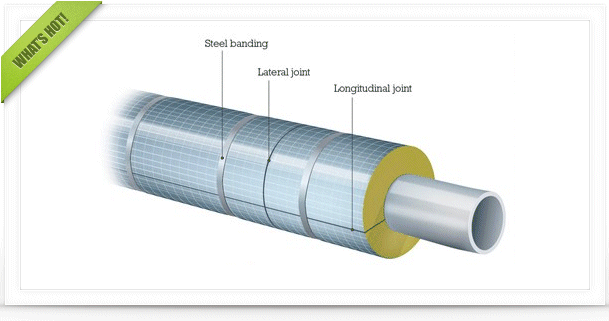


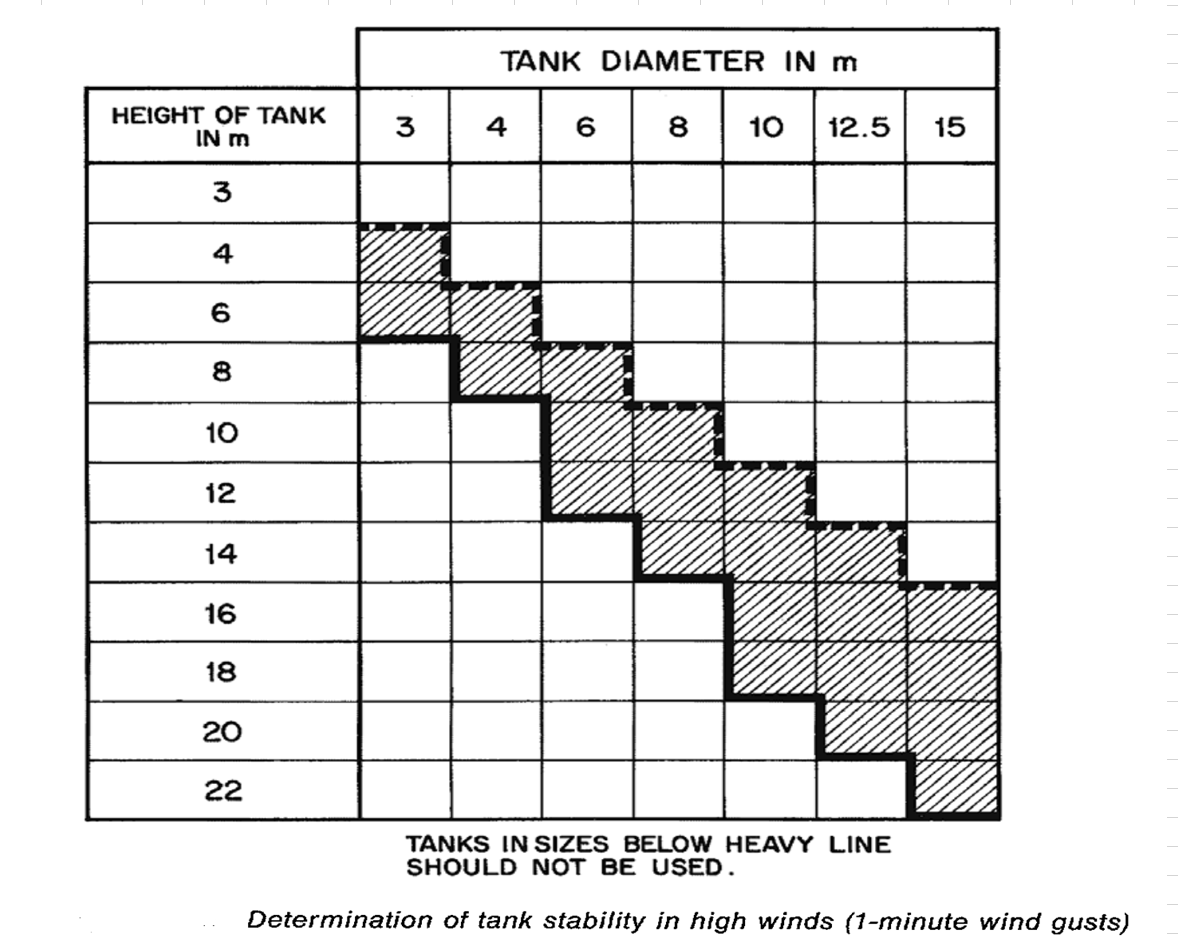



I am examining overpressure scenarios for an existing electric thermal fluid heater, which is part of a package unit. I have contacted the original vendor regarding the design basis for the relief device, however I would like to open this one for comment:
System Background
The thermal fluid heater is in a system consisting of an oil storage reservoir/deaerator tank (w/nitrogen purge), circulation pumps, the electric thermal fluid heater, and a process heat user. The oil reservoir/deaerator tank has separate overpressure protection which I have examined but will not include in the scope of this discussion.
Electric heating elements in the fluid heating vessel areused to keep the heat transfer fluid supply in the closed loop circulation system at 230°C (446°F). The heater has a design pressure of 1034 kPag (150 psig), with no maximum working temperature noted on the ASME stamp or in the design literature. It is rated for 378 kW (1.289 MM BTU/hr). The Heater is 1.34m (4.4 ft.) length x 2.14m (7 ft.) high.
I could provide a system sketch if required.
Fluid Properties
The heat transfer fluid vendor has provided the following pertinent physical property information:
- Critical pressure of 1126 kPaa (163 psia), which is just about exactly the vessel design pressure.
- Critical temperature is 494°C (921°F).
- Heat of vapourization is 174 kJ/kg
- Flashpoint of 231°C (448°F) and autoignition temperature of 352°C (666°F)
- Bubble point temperature of 600°C (1112°F) at 1000 kPag.
I believe that a liquid pool fire scenario is credible based on the flashpoint and operating temperature. Experience with the fluid also tells me so.
My thought is that it is prudent to have the relief valveset pressure below the critical pressure at say 1000 kPag (145 psig) so that there is latent heat absorption in the event of a fire. If this is the case then it appears that I can size the valve using the method outlined in API 521 3.15 (i.e. Q (BTU/hr)= 34,500 FA^0.82 for this situation).
It is not desirable to lower the set pressure below 1000 kPag due to system pressure constraints (hydraulic profile).
Questions
My questions are concerning practical aspects of sizing fire case PSVs for high bubble point temperature applications:
- The bubble point temperature is so high that it really amounts to a liquid thermal expansion case with heat input from fire, at least over a reasonable range of temperature which can be covered by overpressure protection (i.e. vessel failure becomes more of an issue ). Should one specify a fire case PSV if this is the case?
- There was no practical difference in the required orifice size I estimated for the fire case versus thermal expansion because of the low system volume and latent heat, but…
- I have asked the Heater vendor to confirm the maximum allowable temperature of the Heater. My thought is that it is better to specify a PSV with high temperature materials for the fire case. Does anyone have experience specifying relief valves for a relief temperature >600°C (1000°F) in a similar application? I have posed this to PSV vendors but I would like to see what others on here have to say.
Edited by GS81Process, 01 July 2011 - 09:35 AM.