Jump to content


Featured Articles

Check out the latest featured articles.

File Library

Check out the latest downloads available in the File Library.

New Article

Product Viscosity vs. Shear

Featured File

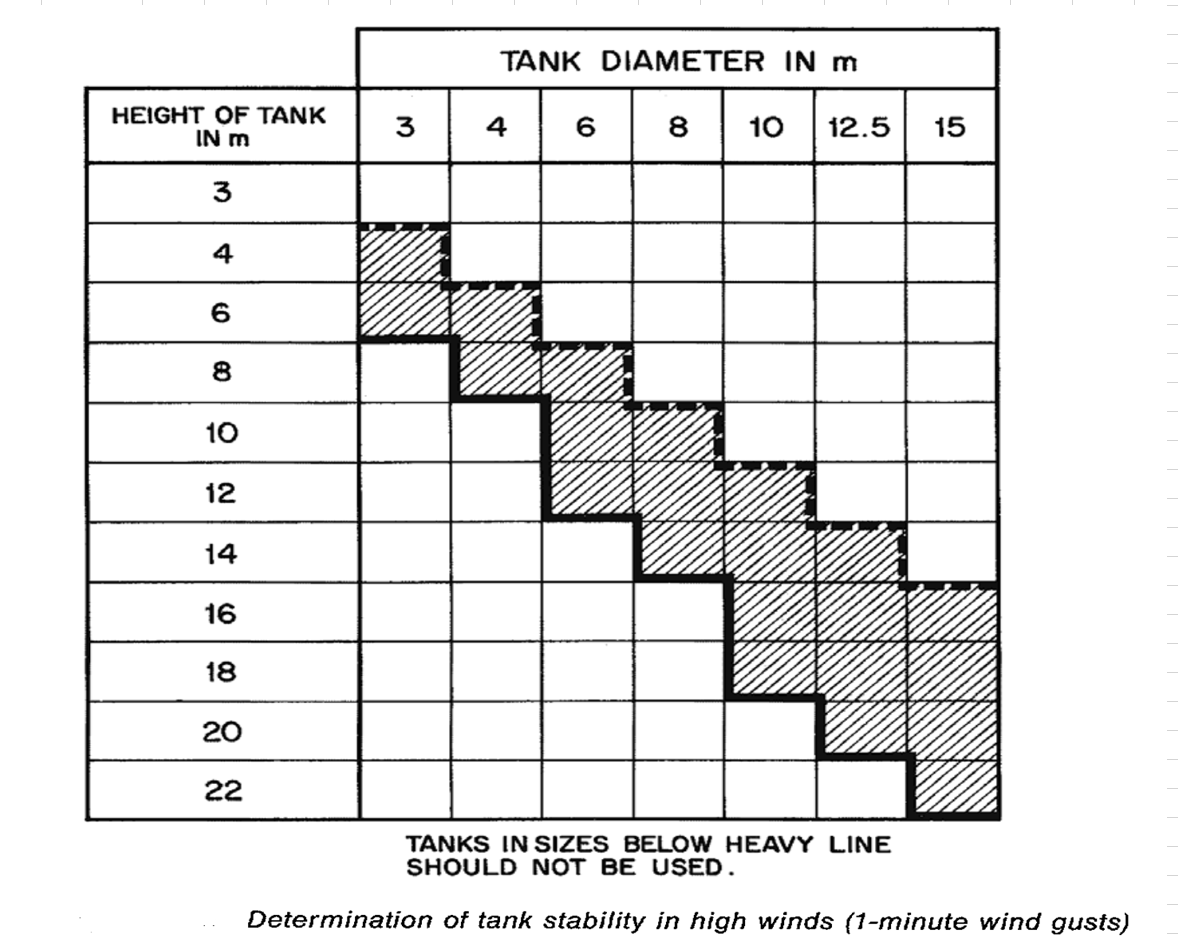
Vertical Tank Selection

New Blog Entry

Low Flow in Pipes- posted in Ankur's blog

Feasiblily Of Control Valve Located On Cooling Water Return Line


This topic has been archived. This means that you cannot reply to this topic.
2 replies to this topic
Share this topic:
| More

#1 Jome128

Jome128

    Junior Member

  • Members
  • 20 posts

Posted 14 March 2013 - 07:55 AM

Dear expert :


Please forgive me to rewrite my question the last time I posted.
There is two control scheme to be considered for the three plate heat exchangers
properly functioning, and to maintain the wastewater downstream temperature around 37~35 degree.


1.control valve to be installed downstream of CW return line.
If the wastewater outlet temperature is above 37C(measuring by thermocouple), opening the control valve fully
make higher cooling water rate to maintain the WW outlet temperature within specified range.
(around 35C). If WW outlet temperature drop below 35C, controller can reduce the cooling water
flow by closing the control valve downstream cooling water return line.


2.set up a bypass line between WW inlet line and WW outlet line and control valve to be installed
on the bypass line.

If the WW outlet temperature is above 37C, close the control valve partially make less WW bypass
to WW downstream to maintain the WW outlet temperature within specified range.

Attached Files


#2 katmar

katmar

    Gold Member

  • ChE Plus Subscriber
  • 699 posts

Posted 15 March 2013 - 03:04 AM

Jome, you have not actually asked a question here but I suppose you want to get opinions on the advantages and disadvantages of the two options.  The actual selection of which one to use will depend on other factors, but I can talk a bit about the merits of each option.


Throttling the outlet of the cooling water will save a bit of pumping power but if the system was well designed to start with this should be small.  In the situation where the waste water flow is lower than expected the throttling valve will close and because you still have the same heat transfer area the temperature of the cooling water outlet will increase. In general you do not want the cooling water to get too hot because it can lead to more fouling.  However, if your cooling tower is close to the limit of its capacity it will function better with a small flow of hot water than with a larger flow of cooler hot water (for the same heat rejection requirement).


Depending on the relative loads of other heat exchangers (other than those shown) modulating the cooling water here might impact on the flows to the other heat exchangers.  As a general rule it is better to keep cooling water flows as steady as possible to avoid interactions between equipment items - some of which may not have automatic control.


If you do use the bypass option it should be set up so that any change to the valve position affects the flow to each of the heat exchangers equally.  The bypass option will also put a varying back pressure on the source of waste water. This may, or may not, be a problem.


In a perfect world I would probably prefer to use the WW bypass option, but external factors have to be considered.


#3 Jome128

Jome128

    Junior Member

  • Members
  • 20 posts

Posted 06 April 2013 - 07:37 PM

Katmar Sir :Thank you very much for your generous and kindly help, and really appreciate you generous help.


The TCV(temperature control valve) be located on the bypass line across the 3 parallel exchangers(coolers) inlet and outlet line,

, and its controller to be received the signal from the temperature sensor located in the inlet line of these 3 parallel exchangers.

If the temperature signal is less than 35C, the TCV valve to be open.

I don't know these control scheme is logic or not.

And, the interlock may not be required in this bypass control loop cause of one signal (temperature < 35C) here only.

The other query is how to make the inlet flow to be equally distributed in the three stack exchanger?


Really appreciate for your help.

Thank you very much.

Attached Files


Similar Topics